
Time
the time taken to come to a resolution through the court is time a business owner can ill afford – time is the most precious commodity.

West London Chambers can help companies with commercial disputes
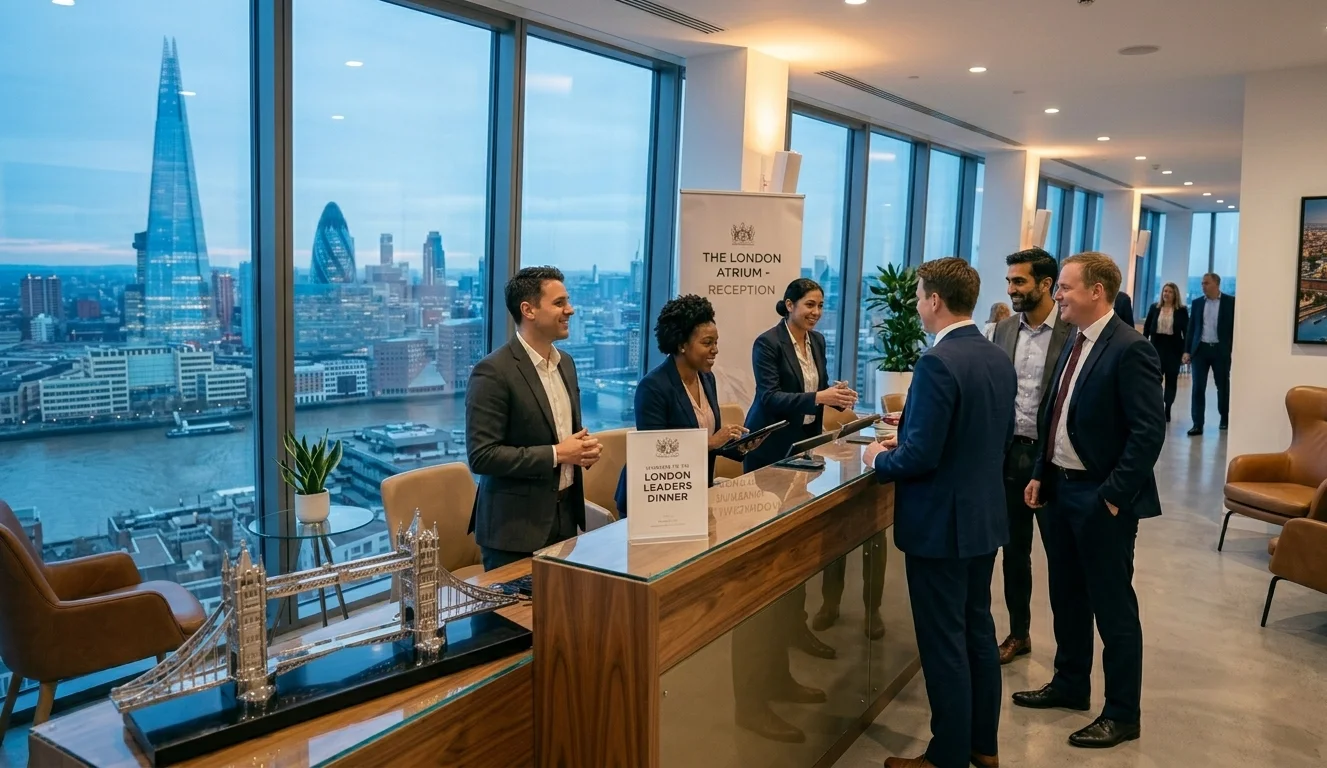
A facilitated negotiation. A neutral mediator helps both sides shape their own settlement — nothing is binding unless everyone agrees.
Mediators do not issue orders, find fault, or make determinations. Instead they help parties to reach a settlement by assisting with communications, obtaining relevant information, and developing options.
Although mediation procedures may vary, the parties usually all together first meet the mediator informally to explain their views of the dispute.
Usually, the mediator will then meet with each party separately and will not divulge the discussions to the other party unless authorised to do so. It is common for the mediator to go back and forth between the sides a number of times.
The main focus remains on the parties as they work towards a mutually beneficial solution. Many disputes are successfully resolved and often the parties will then enter into a written settlement agreement.
Many people report a higher degree of satisfaction with mediation than with arbitration or other court processes because they can control the settlement, be part of the resolution and save the costs of litigation.
| Mediation | Arbitration | |
|---|---|---|
| Outcome | Settlement only if all sides agree | Binding award |
| Decision maker | Neutral third party (facilitator) | Arbitrator (judge, lawyer or professional) |
| Formality | Informal negotiation | Formal, similar to court |
| Setting | Private | Private |
| Appeal | N/A — parties control outcome | Generally cannot be changed in court |
| Enforceability | Written settlement agreement | Enforceable in 142 countries |
It is important to actively consider a form of Alternative Dispute Resolution (ADR) as early in the dispute as you can. In fact, the court process requires some type of ADR to have been explored in any event.
the time taken to come to a resolution through the court is time a business owner can ill afford – time is the most precious commodity.
the cost of litigating can spiral and can easily damage the business cash flow. Cash that can be better directed in growing the business.
having a costly dispute played out in public can have a negative effect on all aspects of the business.
the time taken to come to a resolution through the court is time a business owner can ill afford – time is the most precious commodity.
the cost of litigating can spiral and can easily damage the business cash flow. Cash that can be better directed in growing the business.
having a costly dispute played out in public can have a negative effect on all aspects of the business.
Our team can guide you to the right route — mediation, arbitration, or a referral up the Chambers of Commerce network.